
Walking into a clubhouse casino login australia feels a bit like stepping into a footy club canteen on game day, except the machines glow louder than the scoreboard. Keno sits quietly in the corner, offering fast draws and the kind of instant feedback that hooks players who reckon patience is overrated. I’ve watched mates blow a twenty on a single card in an arvo, then wonder where the money went. This isn’t about chasing jackpots; it’s about knowing how the machine reads your ticket, what the house edge actually does, and how to keep your spending honest while the balls tumble.
Understanding the Keno Ticket Before You Hand Over Cash
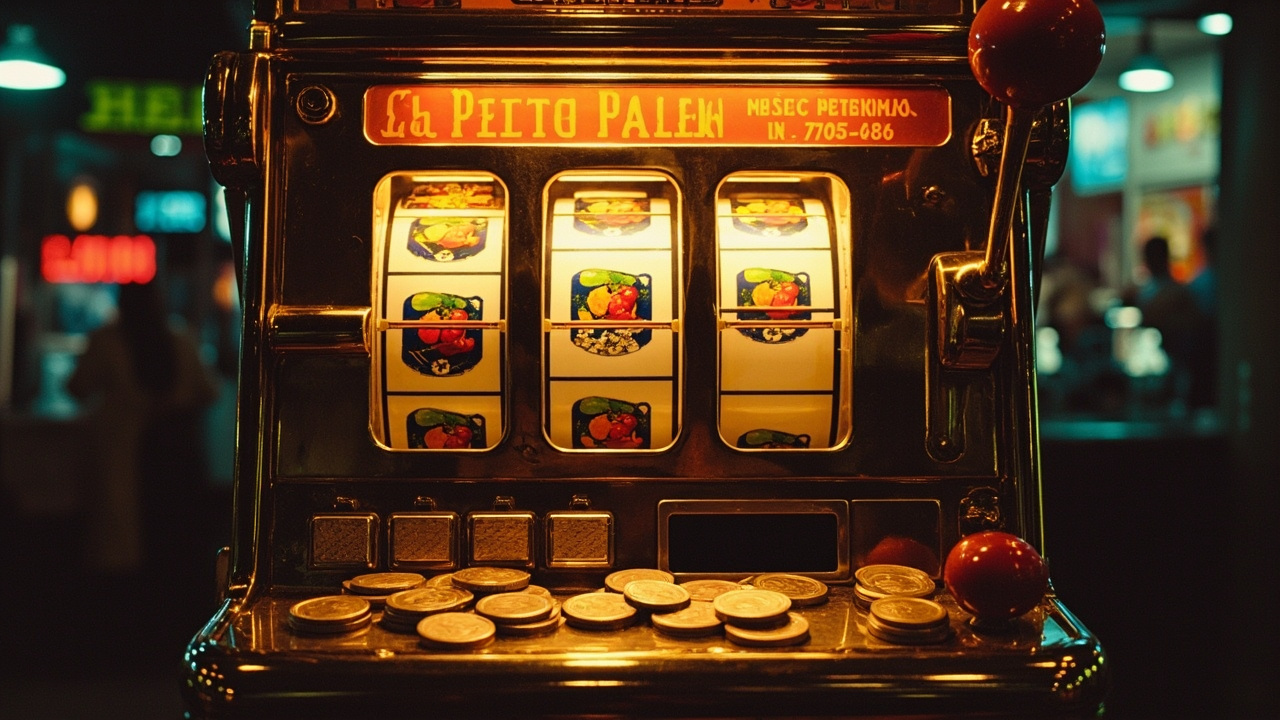
A keno ticket looks simple enough until you realise every square you mark changes the maths under the hood. Most Australian venues run draws every few minutes, and the paytable shifts depending on whether you pick two numbers or ten. Grace Taylor, Commercial Director, Yarra Gaming Lab, notes that players often misread the odds because the screen shows potential payouts rather than the probability of hitting them. She says the real cost of a game shows up when you compare the return rate on a five-spot card against a ten-spot card on the same machine. The difference matters because a higher payout rarely means a better chance of winning anything at all.
That constant tension between picking more spots for better payouts and sticking to fewer for higher odds per hit is exactly what keeps punters glued to the terminals. If you want to compare how different operators structure their prize tiers or check the latest regulatory updates, you can visit clubhouse casino login australia. Understanding those underlying probabilities before you press the play button is the only reliable way to keep the entertainment value ahead of the house edge.
The ticket layout itself tells you what you’re paying for. A standard card lets you mark between one and ten numbers, and the price per game usually sits around one to five dollars per round. You can play multiple cards at once, which sounds convenient until you’re watching twenty dollars vanish across four lines in under a minute. The draw itself uses twenty balls pulled from a pool of eighty, and the more numbers you mark, the harder it becomes to catch enough of them to trigger a payout. I’ve seen players mark every number on the card thinking it covers all bases, only to collect a prize that barely covers the cost of the coffee they bought on the way in.
A practical way to read the ticket is to treat the paytable as a budget sheet rather than a promise. Each marked number increases the cost per game, and the payout tiers drop off sharply once you miss the threshold the game requires. You don’t need a maths degree to spot the pattern, but you do need to check whether the machine’s return rate sits in a range you’re comfortable with. Some venues publish the theoretical return on the help screen, and others bury it behind a menu you have to dig through. If you can’t find it, assume the edge is sitting where most keno machines place it, which is higher than a lot of table games.
| Card Size | Typical Cost Per Game | Rough Hit Frequency | Payout Trigger |
|---|---|---|---|
| 2 numbers | $1-$2 | Higher | Small prizes, low return |
| 5 numbers | $2-$5 | Moderate | Mid-tier payouts, balanced edge |
| 10 numbers | $5-$10 | Lower | Larger prizes, steeper drop-off |
The table above isn’t a guarantee of anything, just a rough map of how the cost and hit frequency tend to move together. A two-number card gives you more frequent small wins, but the return rarely builds into anything meaningful over a long session. A ten-number card can spit out a decent prize when the draw lines up, though the odds of hitting enough numbers to clear the paytable are noticeably thinner. Most regular players I’ve spoken to settle somewhere in the middle because it keeps the cost per round visible and the payouts frequent enough to feel like the game is actually moving.
How to Punt on Keno Without Losing Track of Your Spend
The first thing you do is set a hard limit before you even touch the ticket machine. I’ve watched a bloke in Adelaide spend an hour chasing a number he swore was “due”, only to realise he’d burned through a hundred bucks because he never wrote down what he was willing to lose. A practical session starts with a fixed amount, a timer if you need one, and a clear rule that you walk away once the limit hits. Keno moves fast, and the draws pile up before you’ve had time to notice the total dropping.
When you actually mark the card, keep it simple. Pick a card size that matches the amount you’re comfortable spending per round, then stick to it instead of adding extra lines because the screen flashes a near-miss. Near-misses feel like a sign, but the machine doesn’t remember your last draw any more than a coin toss remembers the previous flip. I’ve seen players add a fifth number because they “felt it coming”, then watch the payout tier slip out of reach because the extra mark pushed the cost up without improving the odds in any meaningful way.
The payment flow on most club machines is straightforward, but it’s worth checking how the cashier handles keno credits before you start. Some venues load credits through a cashless card or a phone-linked account, while others still rely on physical notes at the kiosk. If you’re playing through an app or a digital lounge, the deposit and withdrawal steps can look cleaner than they really are, and that’s where a bit of caution pays off. Adam Bennett, Compliance Director, Eucalypt Digital Advisory, points out that players sometimes assume a fast deposit means a fast withdrawal, when the two processes are often governed by different verification steps and timing rules. He says the safest approach is to check the cashier terms before you put money in, because the withdrawal path can involve identity checks that slow things down regardless of how quickly the deposit went through.
A short checklist helps keep the session honest:
- Set a spend limit before you mark the first card
- Pick one card size and avoid adding lines mid-session
- Check the paytable and return information before you start
- Use a timer or a set number of rounds to stop the drift
- Treat any credit top-up as a new session, not a continuation
The list above isn’t a magic fix, just a way to keep the game from turning into a blur of credits and near-misses. Keno doesn’t reward momentum, and the draws don’t care whether you’re on a hot streak or a cold one. The players who last longest are usually the ones who treat each round as a fixed cost rather than a step toward a big win.
Who the Game Actually Suits on a Session Basis
Keno suits players who want a low-interaction game with fast draws and don’t mind accepting a higher edge in exchange for that pace. It’s not the right fit for anyone chasing a return that competes with better-value table options, and it’s especially poor for players who think a long session will somehow tilt the odds in their favour. Finn Baker, Sports Betting Analyst, Yarra Gaming Lab, says keno works best as a short, fixed-cost diversion rather than a main event, because the draw frequency and ticket cost add up faster than most people expect. He reckons the game is fine for a casual arvo session as long as you treat it like paid entertainment with a clear ceiling, not a strategy puzzle.
The game also suits players who like seeing results quickly without having to learn a table layout or track dealer patterns. If you’re the type who wants to mark a card, watch the draw, and move on without a long decision loop, keno delivers that rhythm. If you prefer games where skill or bankroll management has a more visible effect on the outcome, you’ll probably find keno a bit flat once the novelty wears off. I’ve seen regulars who treat it as a background pastime between other games, and they tend to do better because they aren’t expecting it to carry the whole session.
The practical fit comes down to how you handle fast feedback. Keno gives you a result every few minutes, which can feel engaging when you’re in the mood for a quick game and frustrating when you’re trying to stretch a bankroll. Players who set a round limit and stick to it usually walk away with a clearer view of what the session cost them. Players who keep topping up because the next draw feels “close” tend to lose track of the total faster than they expect. That’s not a moral point; it’s just how the pace of the game interacts with a spending limit that isn’t written down.
A session works best when you know in advance what you want from it. If you’re after a quick game with visible results and you’re comfortable with the cost per round, keno can fit that role without much fuss. If you’re hoping the machine will reward patience with better odds, you’ll likely end up disappointed because the draw is random and the paytable is fixed. The players who get the most out of it are the ones who decide what the session is for before they mark the first number.
The best approach is to treat keno as a fixed-cost game with a clear ceiling, not a path to a big payout. Set your limit, pick a card size you can afford to repeat, and check the paytable before you start so you know what the game is actually offering. If you want a quick diversion with fast draws, it can do that job without much fuss, though the edge is there whether you notice it or not. If you’re after better value per dollar, you’ll probably do better elsewhere, and that’s a fair call rather than a sales pitch.